Finley Lang · 13 October 2026
Polish Maritime Graduates Tackle Certification Barriers During Dock Regulation Updates and Technology Shifts
Polish maritime graduates encounter structured certification processes shaped by national standards and international maritime conventions, while dock regulations continue to evolve through European Union directives and technological advancements reshape operational requirements. Data from the Polish Maritime Administration indicates that over 1,200 graduates complete initial certification pathways each year, with many addressing updates in areas such as vessel traffic management and environmental compliance protocols.
Current Certification Framework for Maritime Graduates
Certification for Polish maritime professionals follows guidelines established by the Ministry of Infrastructure and aligns with International Maritime Organization conventions. Graduates must complete approved training programs, pass written and practical examinations, and accumulate sea time before receiving endorsements for roles like deck officers or engineers. Recent figures reveal that completion rates for the full certification cycle average 85 percent within 18 months of program graduation, according to records maintained by the Maritime Office in Gdynia.
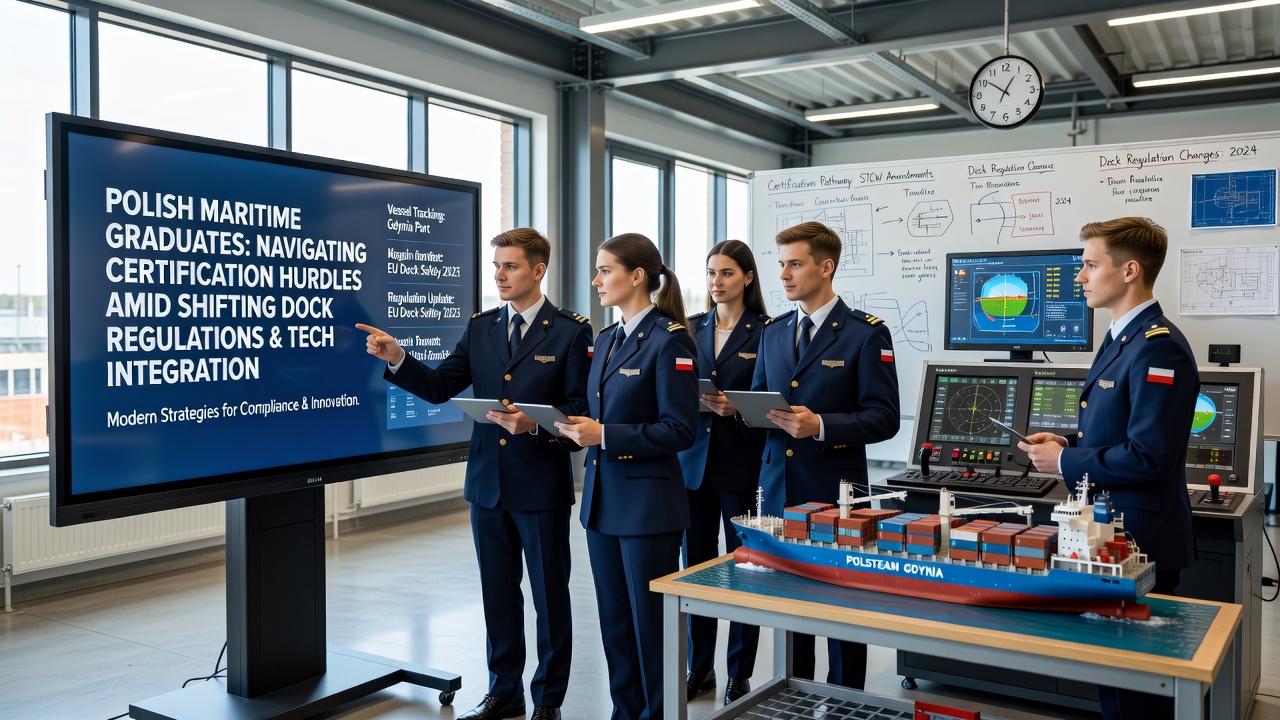
Those entering the field often start with basic safety training and progress to specialized modules covering navigation, cargo handling, and emergency response. Researchers at the Gdynia Maritime University have documented how curriculum adjustments incorporate new modules on digital record-keeping and automated systems, reflecting broader industry transitions. Graduates coordinate with training centers to schedule assessments, and many report that preparation involves both classroom instruction and simulator-based exercises to meet competency thresholds.
Impacts of Shifting Dock Regulations
Dock regulations in Polish ports have undergone revisions to address safety standards, emissions controls, and congestion management. Updates effective in late 2025 expanded requirements for real-time reporting systems at facilities in Gdańsk and Szczecin, requiring certified personnel to demonstrate proficiency with electronic logging tools. European Maritime Safety Agency reports show that similar regulatory changes across EU member states have prompted training providers to integrate updated compliance modules into existing courses.
Graduates navigate these shifts by enrolling in refresher programs offered through vocational institutions and port authorities. One documented case involved a cohort from the 2024 graduating class who completed additional workshops on revised berthing procedures, enabling them to obtain endorsements without extending their overall certification timeline. Observers note that collaboration between Polish training centers and international partners has facilitated access to standardized materials on regulatory updates, helping graduates align their qualifications with port-specific demands.
Technology Integration in Training and Operations
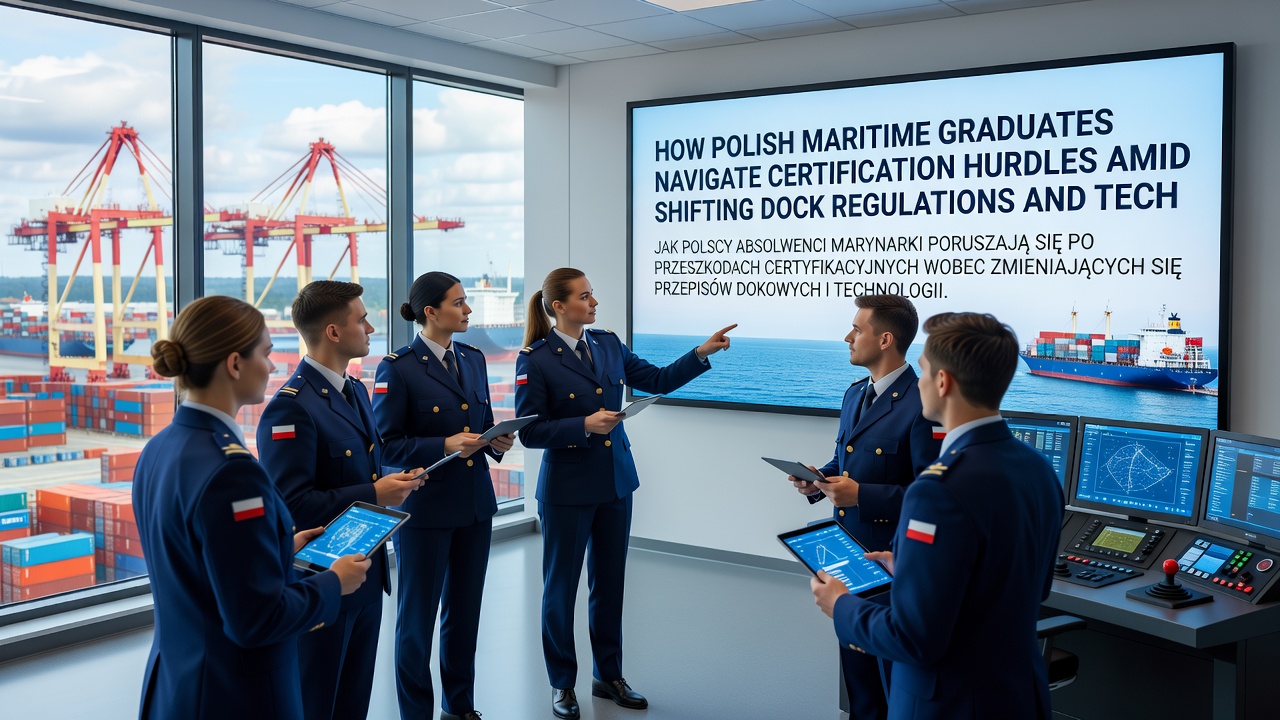
Technological integration affects certification through the introduction of advanced simulation platforms and data analytics tools used in dock operations. Polish institutions have incorporated virtual reality modules for navigation scenarios and automated mooring simulations, with adoption rates increasing steadily since 2023. Studies conducted by the Maritime Institute in Gdańsk indicate that graduates who complete tech-enhanced training achieve higher scores on practical assessments compared to those using traditional methods alone.
Certification hurdles arise when new software systems require specific competencies not covered in earlier curricula. Graduates address this by participating in targeted courses on integrated bridge systems and port management software, often coordinated through industry partnerships. Data compiled by the Polish Register of Shipping shows that approximately 40 percent of new certifications in 2025 included endorsements for digital systems, a figure expected to rise further by October 2026 as additional ports implement automated tracking requirements.
Those pursuing certification also engage with online resources and collaborative platforms that provide updates on regulatory changes and technical standards. International examples from bodies such as the International Maritime Organization illustrate parallel approaches in other regions, where graduates combine formal training with self-directed study to meet evolving demands. Polish programs emphasize hands-on application, allowing graduates to demonstrate proficiency during practical evaluations that simulate real dock conditions.
Strategies Employed by Graduates
Graduates develop navigation strategies that combine institutional support with personal initiative. Many join professional networks that share information on upcoming regulatory adjustments and available training slots. Records from the Polish Chamber of Maritime Commerce indicate that participation in such networks correlates with faster certification completion times. Some graduates pursue dual certifications that cover both traditional seamanship and emerging technological competencies, broadening their eligibility for positions at modernized facilities.
Port archives and training logs reveal patterns where early exposure to collaborative international programs accelerates adaptation. Graduates who attend joint exercises with counterparts from other Baltic Sea nations often gain familiarity with harmonized standards ahead of formal requirements. This approach reduces delays when new dock regulations take effect, as participants already possess relevant practical experience.
Conclusion
Polish maritime graduates manage certification requirements through established training pathways, targeted skill updates, and engagement with evolving dock technologies. Regulatory shifts continue to influence content and assessment methods, while technology integration expands the scope of competencies needed for professional endorsement. Available data and institutional records demonstrate ongoing adjustments in programs and graduate strategies as the maritime sector incorporates new standards ahead of October 2026 milestones.