Logan Carter · 15 September 2026
Polish Harbor Training Methods Evolve Through International Collaboration and Tech Integration
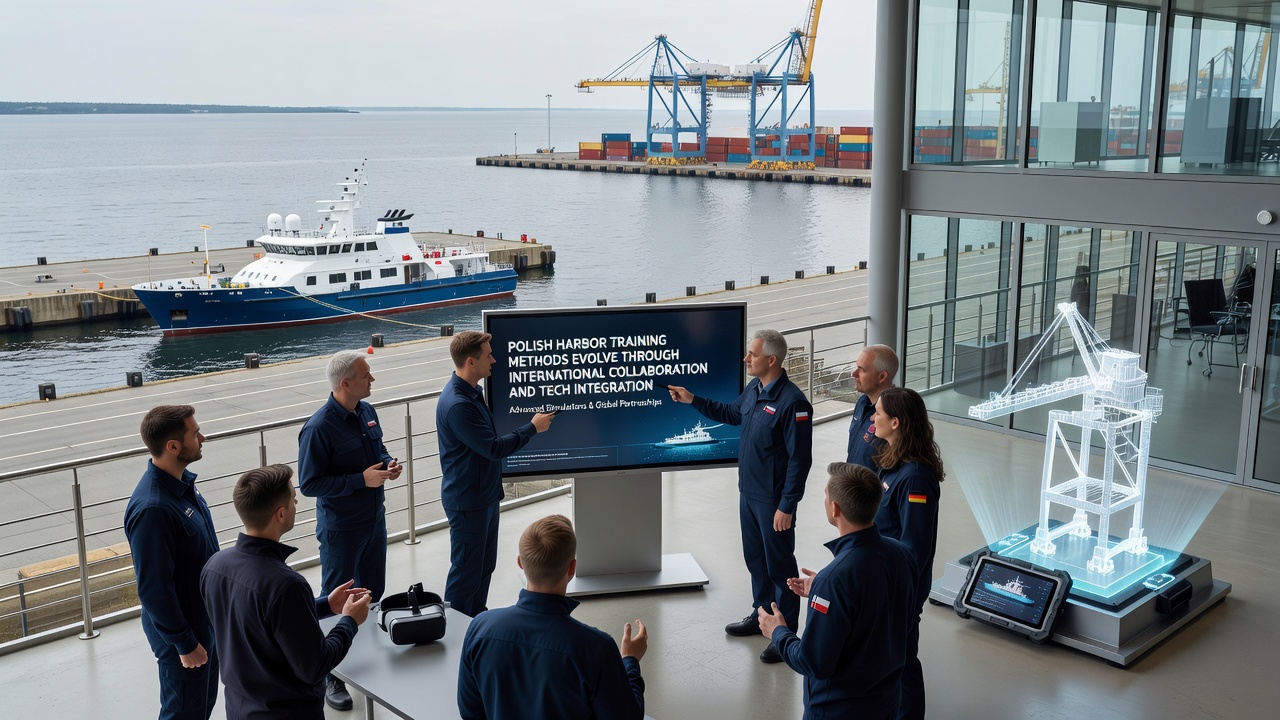
Polish harbor training programs have expanded their reach through partnerships with maritime organizations across multiple continents, while integrating digital tools that allow trainees to practice complex docking procedures in controlled virtual environments. Data from the International Maritime Organization shows that collaborative frameworks established since 2023 have contributed to standardized competency assessments used in over 40 member states, including Poland's coastal facilities.
Building Global Networks for Maritime Skills
Training centers along the Polish coast participate in joint exercises with institutions from North America and Asia, where instructors exchange protocols for handling high-traffic port scenarios. These exchanges include shared databases of incident reports that help refine decision-making drills, and observers note that Polish programs now incorporate case studies from Australian ports to address tidal variations unfamiliar in the Baltic region.
According to figures released by Transport Canada in early 2025, cross-border simulator validations have reduced certification timelines by 18 percent for participants who complete multi-national modules. Polish authorities coordinate with these partners to align curricula with updates to the Standards of Training, Certification and Watchkeeping for Seafarers convention.
Technology Driving Practical Skill Development
Simulation platforms now replicate real-time weather patterns and vessel dynamics with precision that matches physical harbor conditions. Trainees at Polish facilities practice emergency maneuvers using haptic feedback systems, while data analytics track performance metrics across repeated sessions to identify areas requiring additional focus. This approach connects theoretical knowledge directly to operational outcomes through repeated scenario exposure.
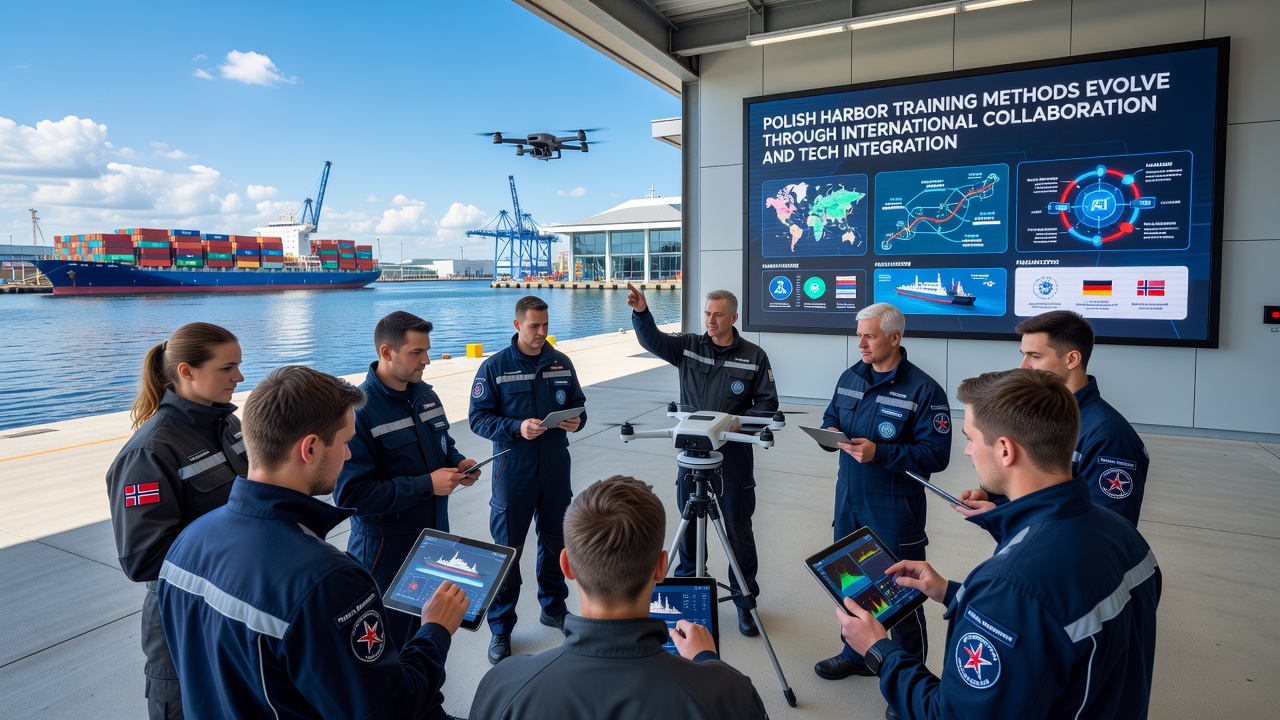
Integration of augmented reality overlays allows instructors to highlight critical equipment components during live demonstrations, and researchers at maritime academies have documented improved retention rates when these tools supplement traditional bridge instruction. What's interesting is how these systems draw on datasets contributed by partners in the Asia-Pacific region, creating a broader library of port-specific variables.
Upcoming Developments in September 2026
Plans for September 2026 include a multi-nation workshop hosted at Polish facilities where representatives from regulatory bodies will test updated certification modules that combine artificial intelligence assessment with human oversight. These sessions will evaluate how machine learning models process trainee responses during high-stress simulations, drawing on input from both European and North American experts to ensure consistency across borders.
Preparations involve pilot programs that began in 2024, and records indicate steady increases in enrollment from international cadets seeking exposure to Baltic-specific navigation challenges. The framework emphasizes measurable skill benchmarks rather than theoretical instruction alone.
Measuring Outcomes Across Programs
Performance data collected through these integrated platforms reveals patterns in error reduction when trainees complete collaborative modules, and studies from academic partners show that exposure to diverse port environments correlates with faster adaptation during actual sea service. Polish training records now feed into shared international repositories that support ongoing curriculum adjustments based on real-world incident trends.
Authorities continue to refine assessment criteria through feedback loops established with global counterparts, ensuring that technology enhancements align with regulatory requirements without introducing unnecessary complexity. This process maintains focus on core competencies required for safe harbor operations.
Conclusion
Polish harbor training continues to advance by combining established international partnerships with targeted technology applications that support consistent skill development. Ongoing exchanges and system updates scheduled through 2026 will further embed these methods into standard practice, supported by data from multiple regulatory sources that track competency improvements across participating regions.