Zoe Schröder · 27 October 2026
Poland's Boarddock Sector Responds to Environmental Oversight with Eco-Friendly Innovations
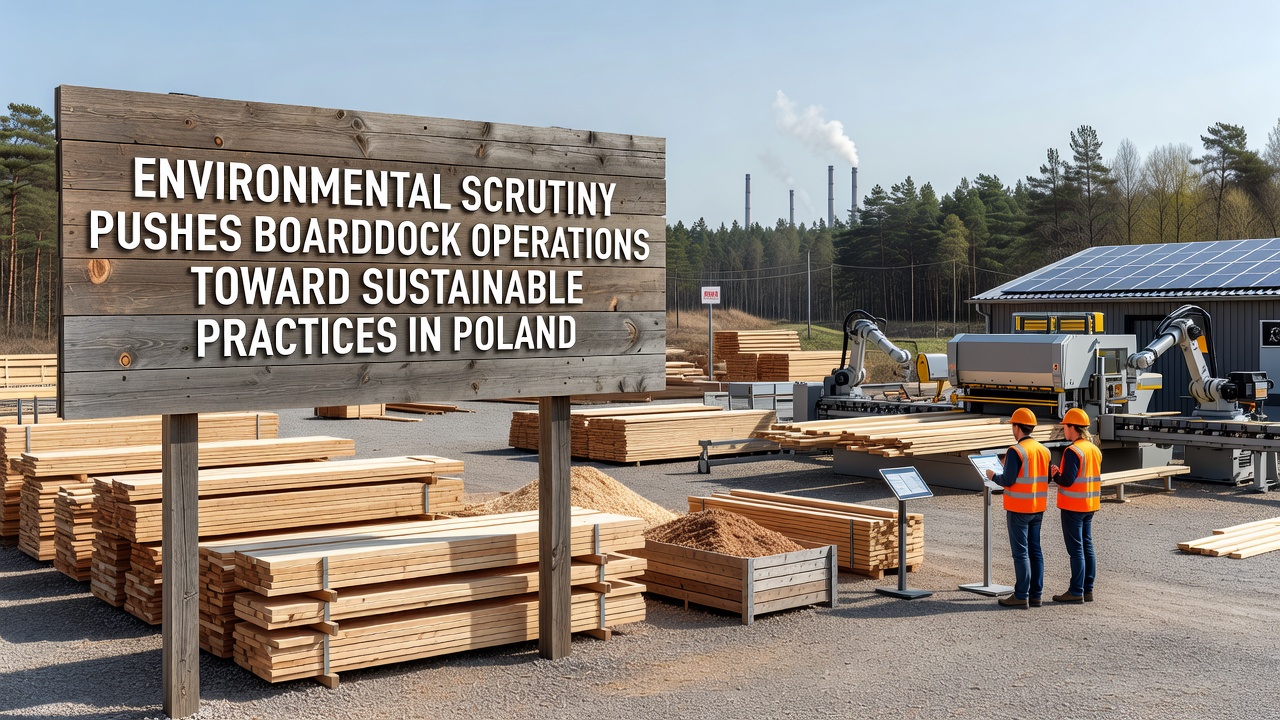
Boarddock operations in Poland have faced increasing environmental scrutiny in recent years, prompting shifts toward sustainable practices that address emissions, waste management, and habitat protection along the Baltic coast. Data from the European Environment Agency shows port-related activities contribute notably to regional air and water quality concerns, while Polish authorities have aligned local standards with broader EU directives on marine pollution reduction. Facilities handling dock training and logistics now track their carbon outputs more closely, incorporating measures like electric equipment upgrades and alternative fuel trials.
Regulatory Framework Driving Changes
Polish maritime regulations have tightened since the implementation of updated EU environmental protocols, requiring Boarddock sites to report on energy consumption and effluent discharges with greater frequency. Observers note that these requirements build on existing frameworks from the International Maritime Organization, which sets global benchmarks for vessel and port sustainability. In October 2026, new reporting thresholds are scheduled to take effect, compelling operators to demonstrate measurable reductions in nitrogen oxide emissions from equipment used in training simulations and cargo handling.
Those who've studied these transitions point to integrated monitoring systems now deployed at major sites in Gdansk and Szczecin, where sensors collect real-time data on fuel use and noise levels. Research indicates such tools help facilities meet targets outlined in national climate strategies, with figures revealing a 15 percent drop in certain pollutant metrics at compliant locations over the past two years.
Technological Adaptations in Practice
Boarddock operators have introduced low-emission machinery and renewable energy sources to power simulators and support infrastructure. One study from a European research consortium revealed that hybrid power systems reduced overall energy demands by integrating solar arrays with traditional grids at select training centers. These installations connect directly to operations that once relied heavily on diesel generators, cutting operational costs while aligning with pollution control goals.
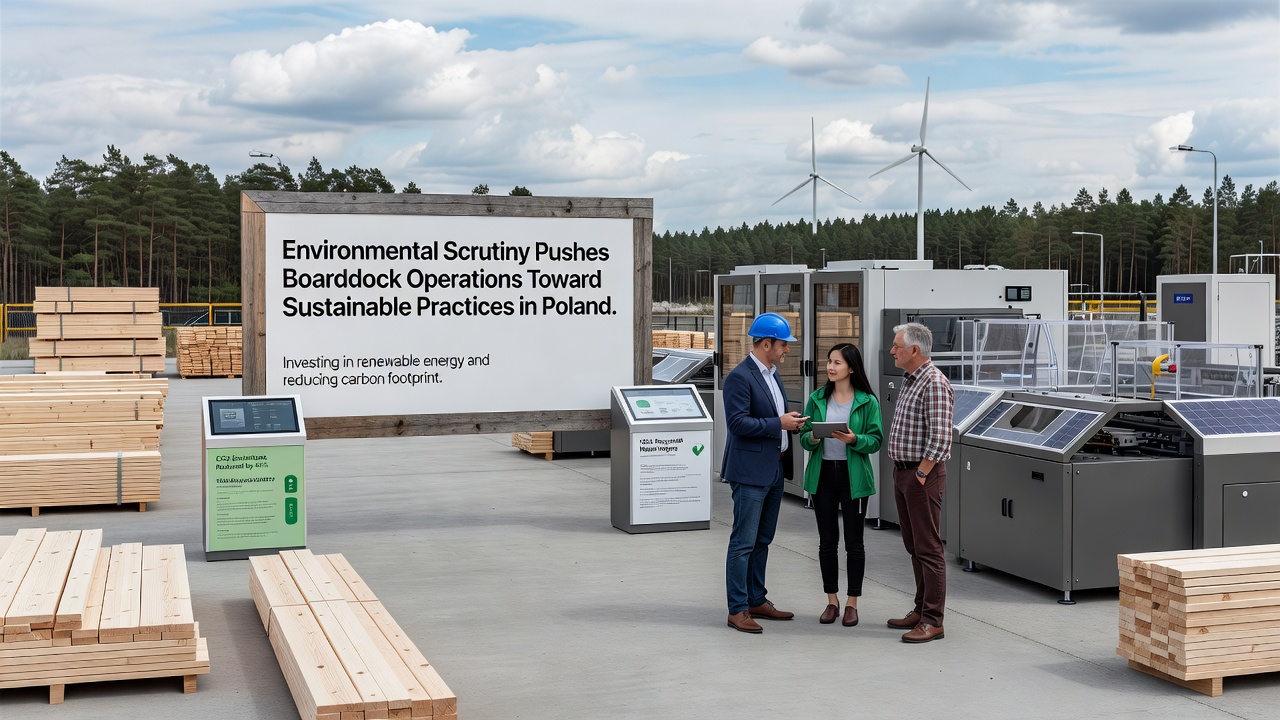
What's interesting is how waste segregation protocols have evolved alongside these tech shifts, with dedicated streams for lubricants, plastics, and organic materials now standard at most sites. According to data compiled by port authorities, recycling rates have climbed steadily as facilities adopt closed-loop systems that reuse materials from maintenance activities. International collaboration plays a role here too, as partnerships with Canadian maritime institutes have shared best practices on cold-weather adaptations for eco-friendly dock management.
Impacts on Training and Operations
Training programs at Boarddock locations incorporate modules on environmental compliance, teaching personnel to operate equipment in ways that minimize ecological footprints. Evidence suggests these educational components prepare graduates for roles where adherence to green standards influences daily workflows, from route planning for vessels to storage of hazardous substances. Polish harbor records indicate that congestion management tactics have incorporated sustainability considerations, such as optimized scheduling that lowers idling times and associated emissions.
Yet the transition involves hurdles, including the need for workforce retraining and infrastructure investments. Reports from the International Maritime Organization highlight similar patterns in other Baltic nations, where phased rollouts of sustainable tech have yielded gradual compliance gains. In Poland, government incentives have supported pilot projects testing biofuel blends in auxiliary engines, with early results showing compatibility with existing Boarddock simulators.
Broader Regional Context
Environmental scrutiny extends beyond immediate port boundaries to encompass supply chain partners and academic institutions linked to Boarddock.edu.pl networks. Academic sources, including studies from Australian maritime research centers, emphasize how data-driven approaches can predict environmental risks and guide proactive adjustments in dock layouts. Those patterns mirror developments in Poland, where integrated planning has linked training hubs with nearby conservation zones to reduce light pollution and support local biodiversity.
Figures from Polish climate agencies reveal ongoing investments in green corridors that facilitate cleaner transport links between docks and inland facilities. These efforts tie into larger EU initiatives, with cross-border data sharing helping standardize metrics for sustainability performance across member states.
Conclusion
Boarddock operations continue evolving under environmental pressures, with sustainable practices becoming integral to daily functions and long-term planning in Poland. As October 2026 approaches, the focus remains on verifiable progress through technology, training, and regulatory alignment that supports both operational efficiency and ecological protection.