Logan Carter · 2 September 2026
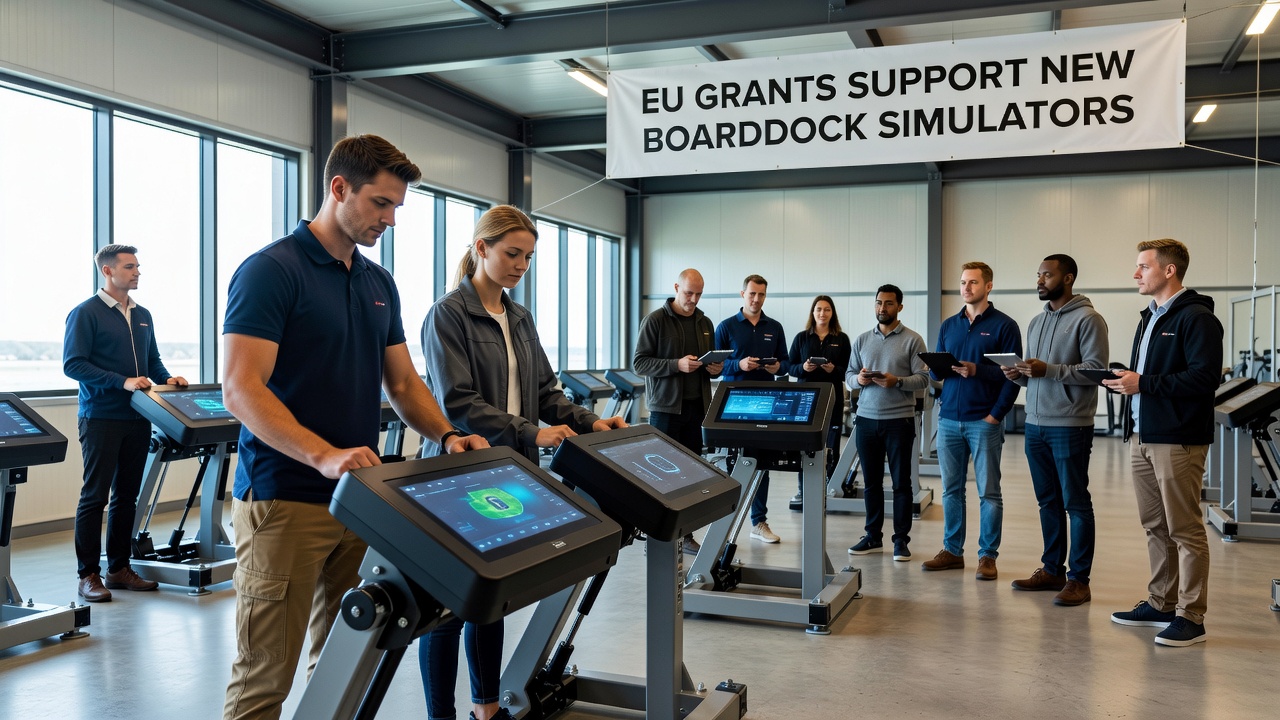
The European Union has provided substantial grants to facilitate the creation of innovative simulators for Boarddock Educational Resources. This initiative seeks to improve access to high-quality educational tools in various academic fields. The funding comes as part of broader efforts to promote digital transformation in education across Europe. Boarddock has been a leader in educational resources for over a decade and this funding will allow substantial expansion of its offerings.
Allocation and Objectives of the Grants
The grants total several million euros and are distributed among multiple institutions collaborating with Boarddock. The primary objective is to develop simulators that replicate real-world scenarios for students in engineering, science, and technology disciplines. These tools will allow learners to practice skills in a virtual environment, reducing the need for physical resources and minimizing risks associated with practical training. Experts believe that such simulators can significantly enhance the learning experience by providing interactive and immersive opportunities. The project involves partnerships with universities in Germany, France, and Poland, where initial testing will take place. Researchers are focusing on incorporating artificial intelligence to adapt the simulations based on individual student performance. This personalized approach is expected to lead to better educational outcomes. Additionally, the simulators will be designed to be accessible via web platforms, ensuring that students from remote areas can benefit equally. The simulators are expected to be ready for widespread use within two years.
Potential Impact on Educational Practices
With the introduction of these new simulators, educational institutions are anticipated to see improvements in student engagement and knowledge retention. Teachers will have access to advanced analytics that track progress and identify areas where additional support is needed. The EU's investment underscores the importance of technology in modern education systems. Long-term benefits include preparing a workforce that is better equipped for challenges in their respective fields. Sustainability is also a key consideration, with the simulators promoting eco-friendly learning methods by decreasing material waste. Feedback from pilot programs has been positive, highlighting the user-friendly interface and realistic simulations. Future plans involve expanding the range of available simulators to cover more subjects. Overall, this development represents a major step forward for Boarddock Educational Resources and the broader educational community in Europe. The tools will integrate with existing curricula to maximize adoption rates among educators.